

Trace Heater -asennussarjat tarjoavat täydellisen valikoiman komponentteja ja lisävarusteita lämm...
Lämmityskaapelien valmistajat
-
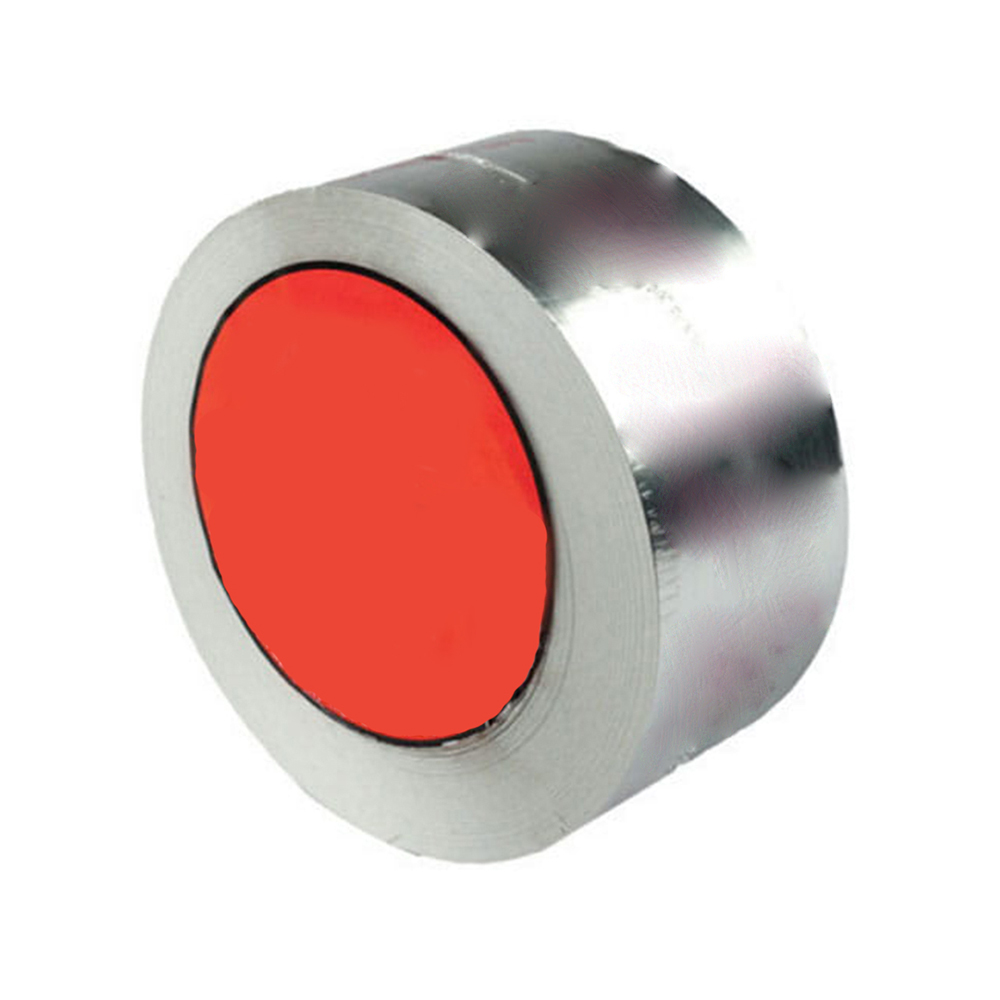
-
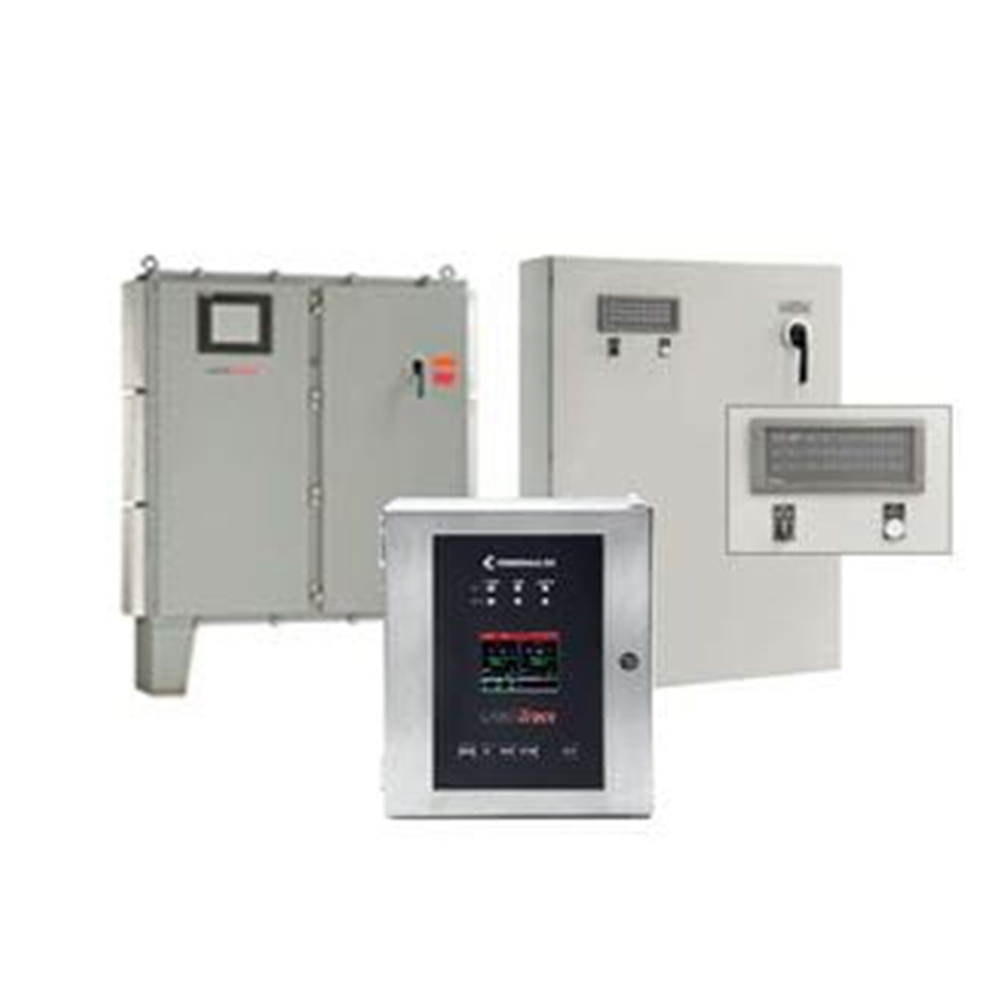 Lämmitysjäljen ohjauskaappi vaarallisiin paikkoihin
Heating Trace Control Cabinet on monipuolinen ratkaisu sähköisten lämmönseurantaprosessien ohjaam...
-
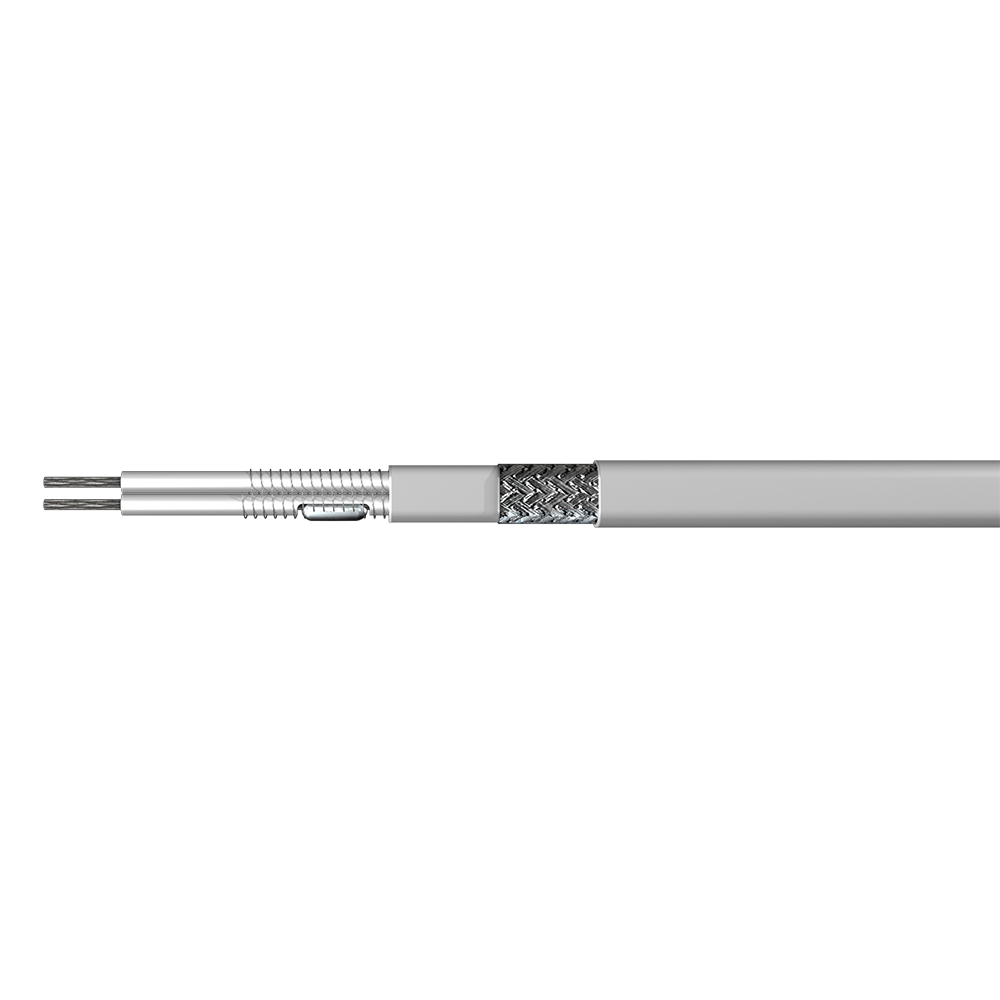 Joustava jatkuvatehoinen lämmityskaapeli
Constant Wattage Heat Trace Cable on luotettava ratkaisu prosessin lämmitykseen ja lämpötilan yll...
-
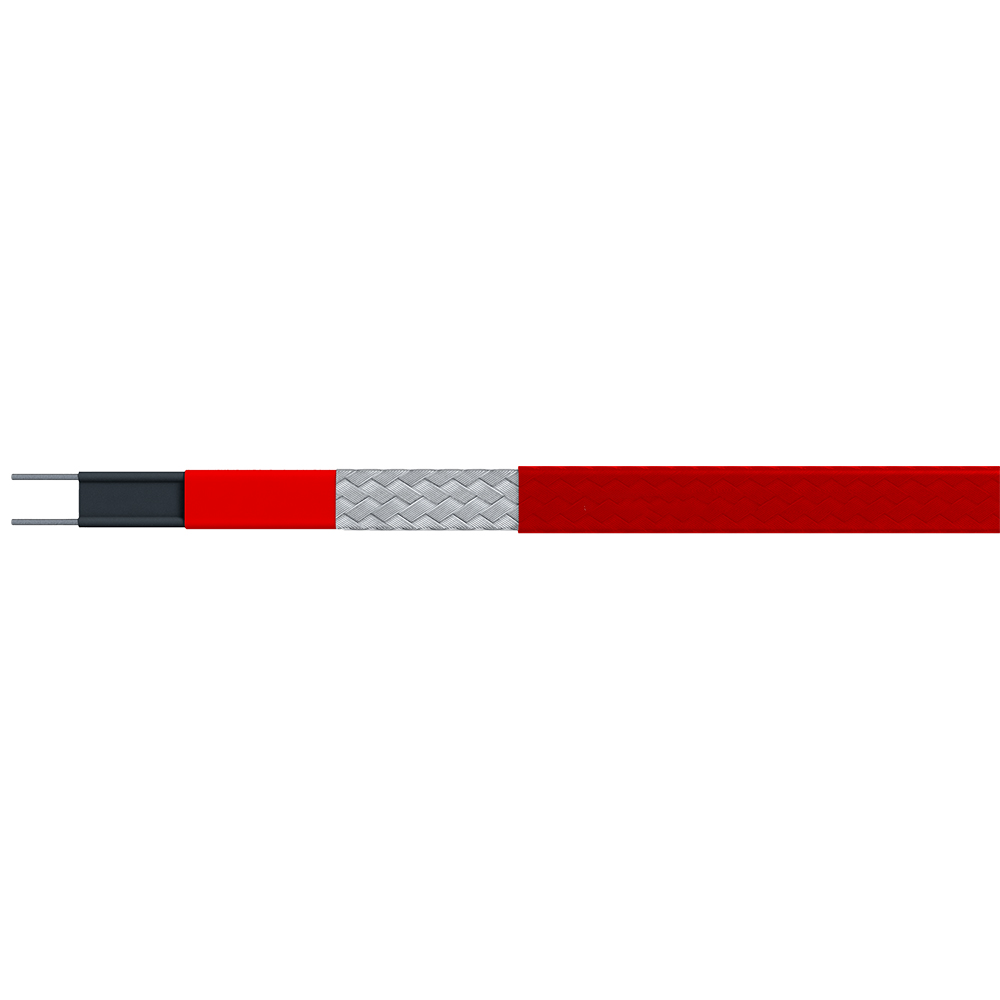 Jäätymissuoja korkean lämpötilan jälkilämmitin
High-Temperature Trace Heater on erikoisratkaisu, joka on suunniteltu putkistojen, säiliöiden, ve...
-
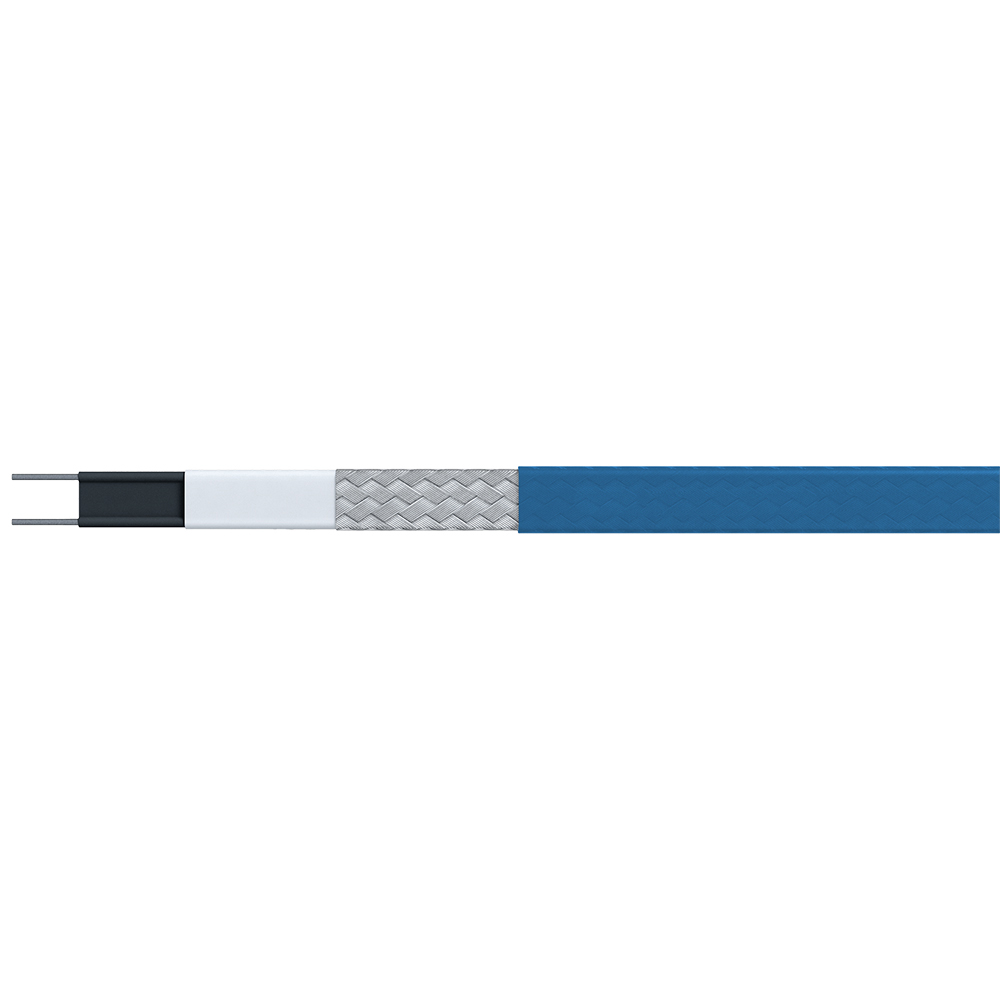 Lämpötilan ylläpito Alhaisen lämpötilan jälkilämmitin
Low Temperature Trace Heater on suunniteltu tarjoamaan hallittua sähköistä pintalämmitystä putkis...
-
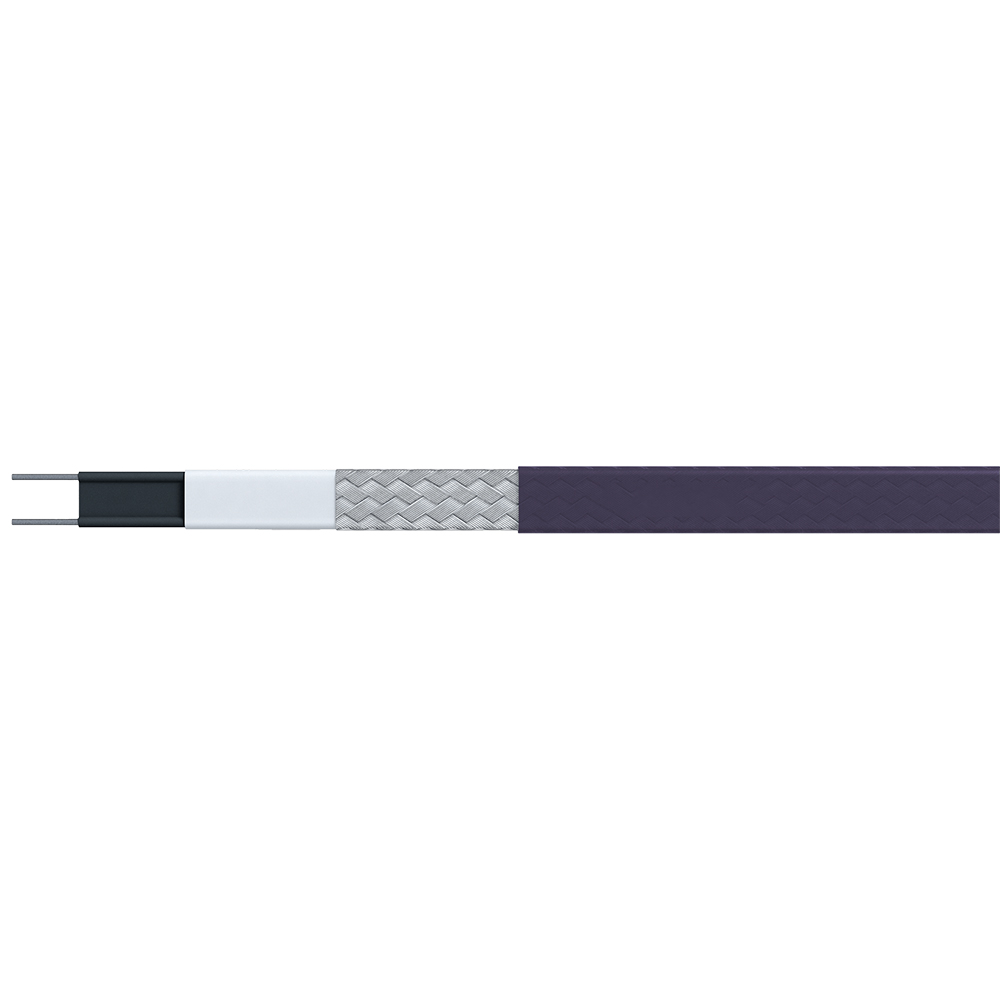 Keskilämpötilan jälkilämmitin lattialämmitykseen
Middle-Temperature Trace Heater on luotettava ratkaisu putkistojen, säiliöiden, venttiilien tai p...
-
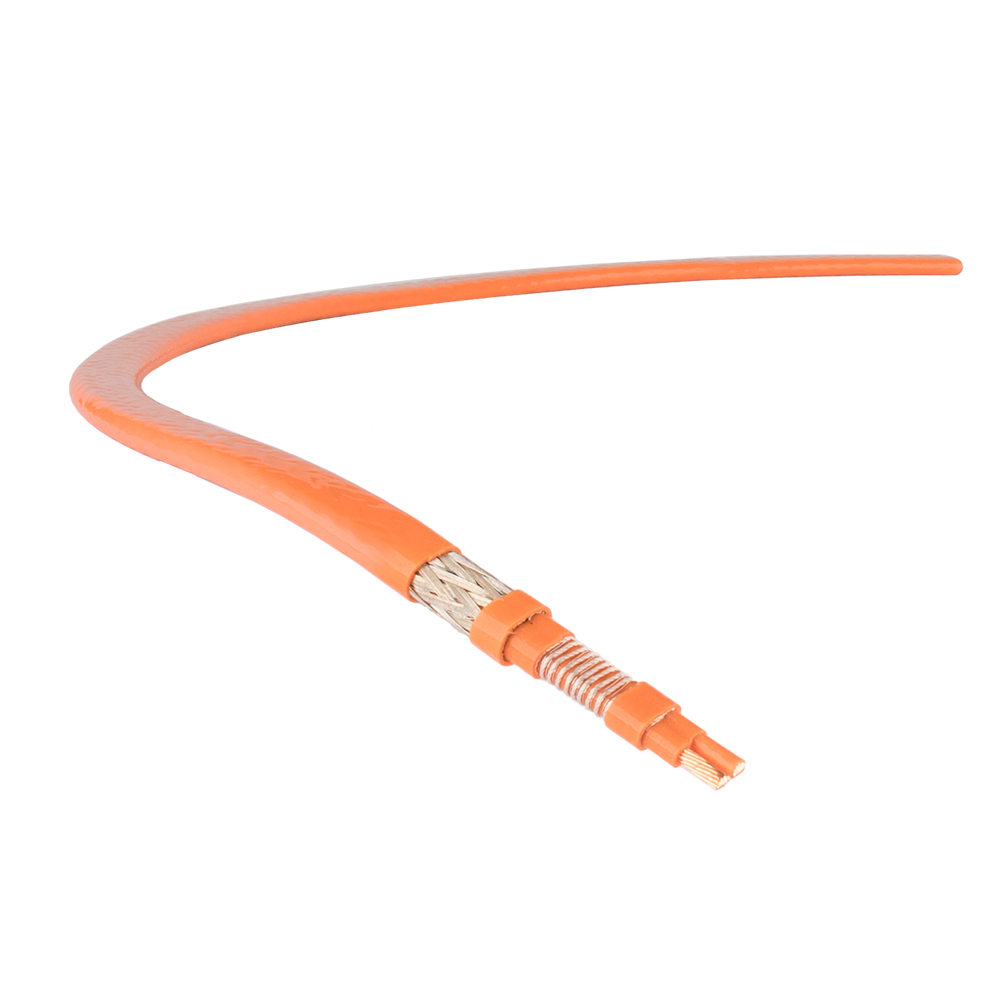 Vakiotehoinen kolmivaiheinen jälkilämmitin
Constant Wattage Trace Heater on joustava ja tehokas ratkaisu viskoosien materiaalien, kuten vaha...
Lämpöjäljitysjärjestelmiä, jotka tunnetaan myös lämmityskaapeleina tai jälkilämmittiminä, käytetään ylläpitämään tai nostamaan putkien, säiliöiden ja laitteiden lämpötilaa jäätymisen estämiseksi, viskositeetin ylläpitämiseksi tai prosessin lämmittämiseksi. Niitä on eri tyyppejä, joista jokainen sopii erilaisiin sovelluksiin ympäristöolosuhteiden, lämpötilavaatimusten ja erityistarpeiden perusteella.
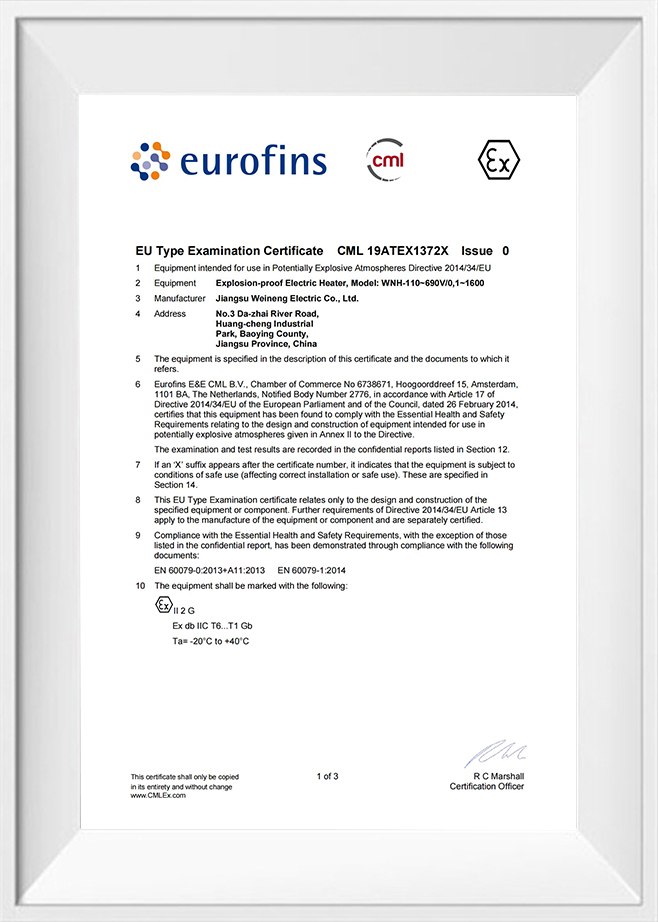
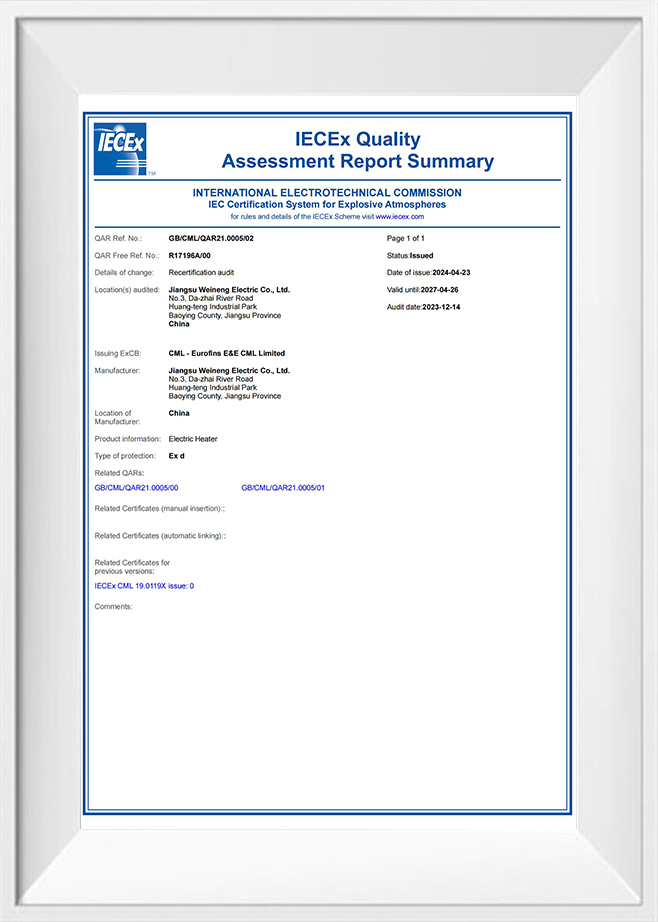
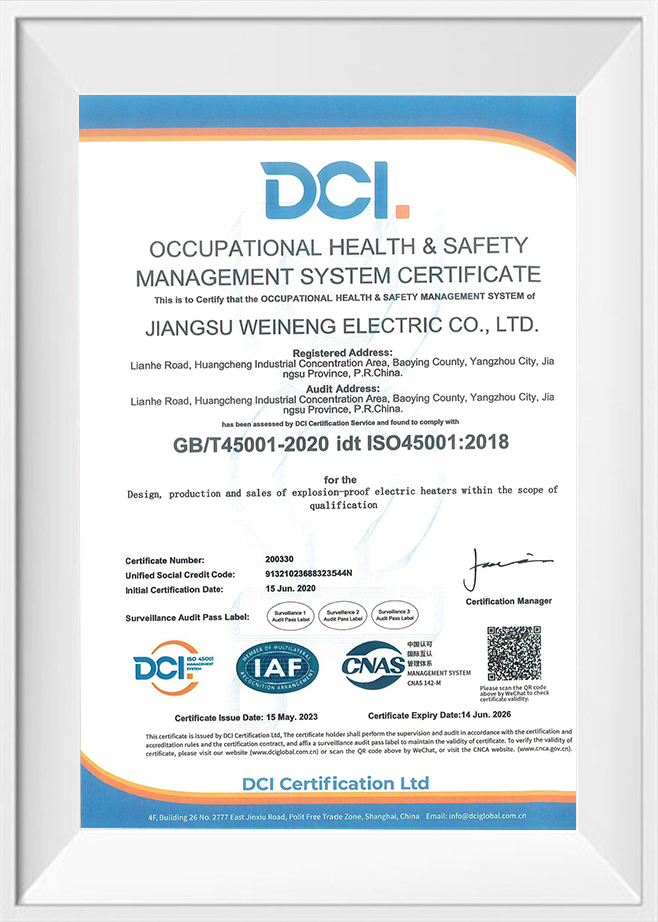
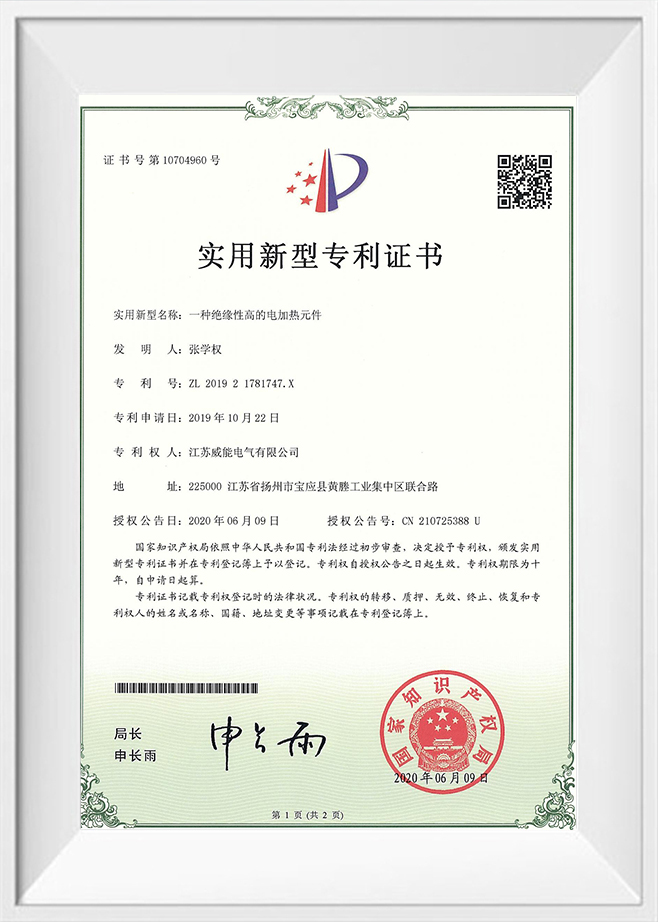
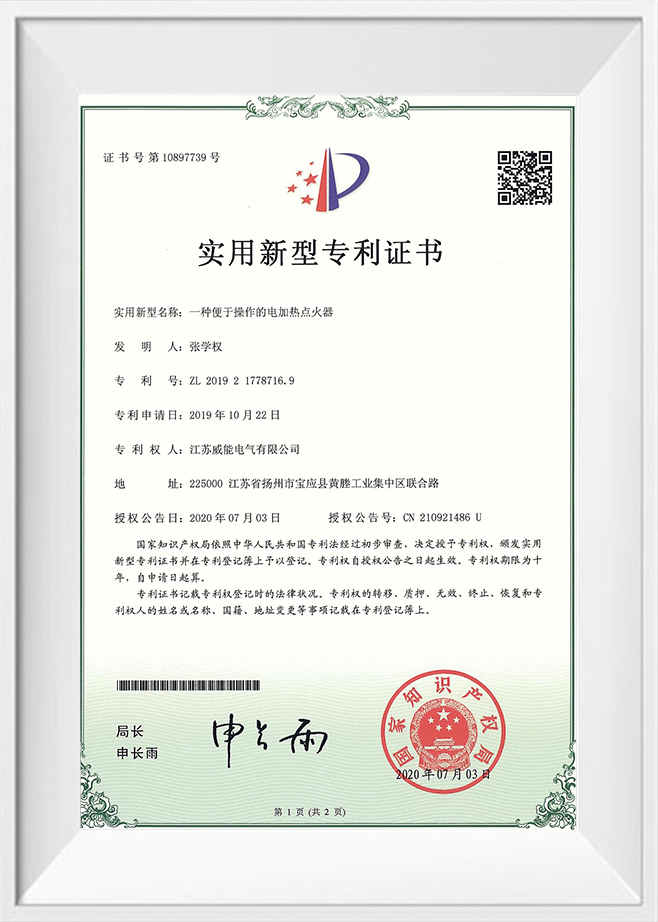
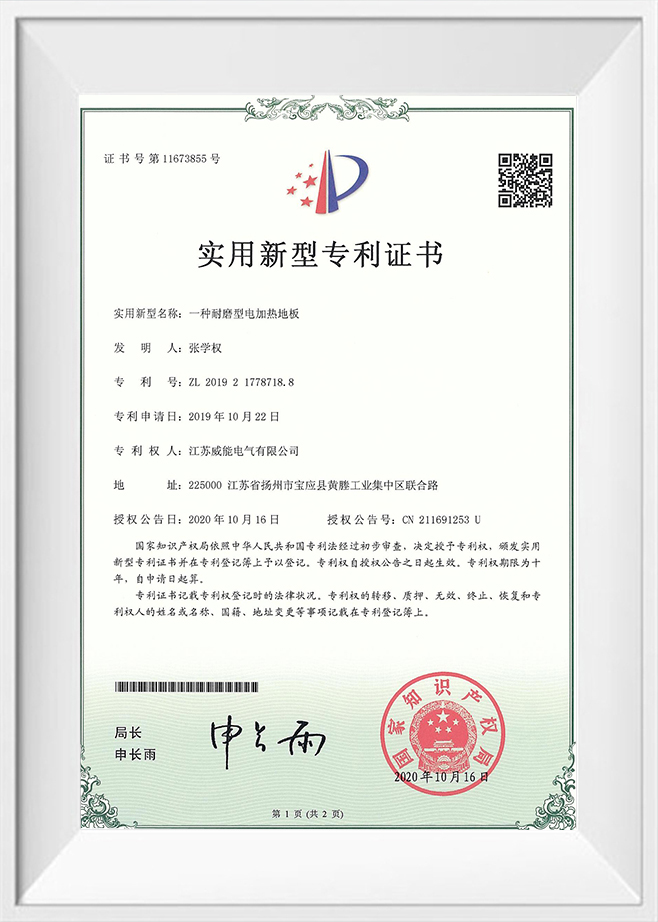
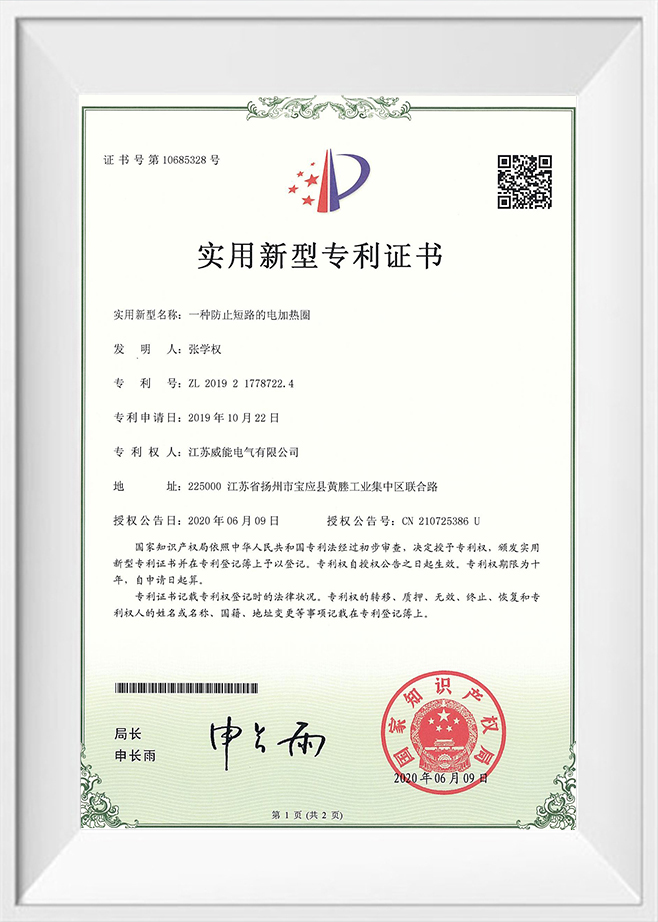
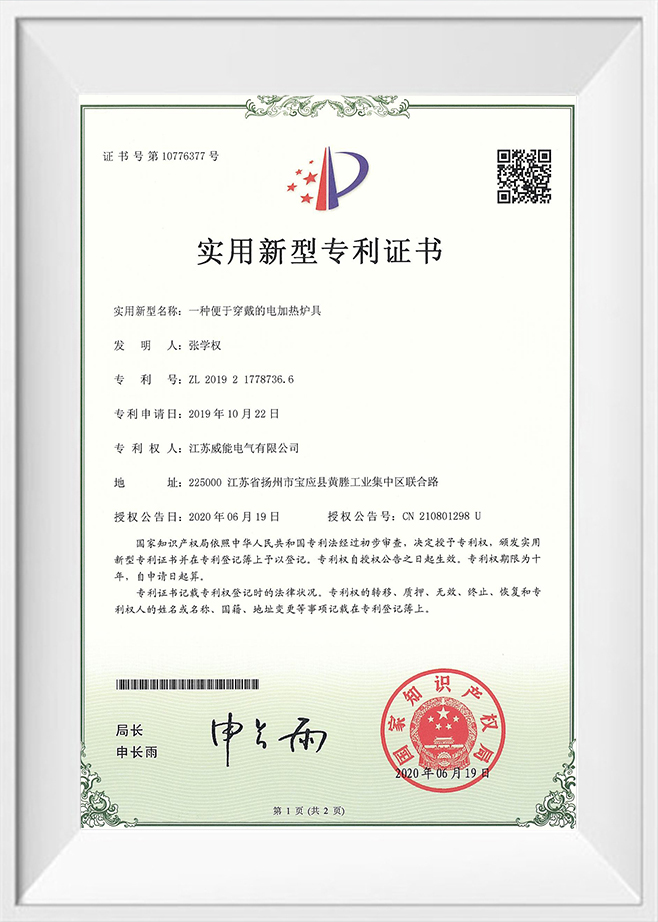
Sertifikaatti
Jiangsu Weineng Electric Co., Ltd, perustettu 23. huhtikuuta 2009, on ammattimainen valmistaja, joka keskittyy sähkölämmittimien, sähköisten lämmityskaapelien ja teollisuuden ohjausjärjestelmien tutkimukseen, kehitykseen, tuotantoon, myyntiin ja huoltoon.
MEISTÄ
Jiangsu Weineng Electric Co.,Ltd
Jiangsu Weineng Electric Co.,Ltd perustettu 23. huhtikuuta 2009, on ammattimainen valmistaja, joka keskittyy sähkölämmittimien, sähköisten lämmityskaapelien ja teollisuuden ohjausjärjestelmien tutkimukseen, kehitykseen, tuotantoon, myyntiin ja huoltoon.
Kuten Kiina Lämmityskaapelivalmistajat ja Lämmityskaapelitehdas, Sijaitsee Baoyingin piirikunnassa, Jiangsun maakunnassa, kätevien kulkuyhteyksien päässä. Omistautuneena tiukkaan laadunvalvontaan ja huomaavaiseen asiakaspalveluun, kokeneet työntekijämme ovat aina käytettävissä keskustelemaan vaatimuksistasi ja varmistamaan täyden asiakastyytyväisyyden. Viime vuosina yrityksemme on hankkinut sarjan kehittyneitä laitteita, mukaan lukien jauhetäyttökone, sähköinen paineentestauspumppu, mittasorvi, LCD-pistehitsauskone, kuivauskaappi, puhdistuskone, kuivahiekkapuhalluskone, automaattinen putkentaivutin, digitaalinen yleismittari, eristysvastusmittari, jännitekestävyystesteri. Yrityksemme panostaa teknologiseen innovaatioon, meillä on 3 professoria tekniikan alalta ja kymmeniä nuoria insinöörejä, joilla on runsaasti kokemusta ammattitaitoisen insinööriryhmän järjestämiseksi. Teemme yhteistyötä yliopistojen ja akatemioiden kanssa uusien tuotteiden tutkimiseksi ja kehittämiseksi. Lisäksi olemme saaneet IECEx, ATEX, ISO -sertifikaatit. Tuotteitamme myydään hyvin kaikissa Kiinan kaupungeissa ja maakunnissa, tarjoamme Tukkumyynti lämmityskaapelijärjestelmät. Tuotteitamme viedään myös asiakkaille sellaisiin maihin ja alueisiin kuin Lähi-itä, Kaakkois-Aasia, Amerikka ja Eurooppa. Tervetuloa myös OEM- ja ODM-tilaukset. Valitsetpa sitten nykyisen tuotteen luettelostamme tai etsit teknistä apua sovellukseesi, voit keskustella asiakaspalvelukeskuksemme kanssa hankintatarpeistasi.Viestipalaute
Viimeisimmät uutiset
Tutustu alan messutietoihimme ja viimeaikaisiin tapahtumiin yrityksessämme.
-
ATEX vs IECEx-sertifiointi: Tärkeimmät erot räjähdyssuojatuille ostajille
Seisot sähkövastuksen eritelmälomakkeen edessä, joka menee syttyvää liuotinta sisältävään säiliöön. Yksi toimittaja merkitsee yksikön "ATEX-sert...14 -
ATEX vs IECEx: Tärkeimmät erot ja kuinka valita sertifioidut laitteet vaarallisille alueille
Kun määrität sähkölämmittimen haihtuvalle prosessivirralle, ensimmäinen tekninen kysymys, joka yleensä nousee esiin, on, onko sillä oltava ATEX-...09 -
ATEX Certification Meaning: What It Means for Industrial Heating Equipment
You are standing in a chemical plant, reviewing a replacement immersion heater for a process vessel. The nameplate shows the marking II 2G Ex d ...01 -
Sähköisen lämmön jäljitys: Kaapelityypit, sovellukset ja putkien ja säiliöiden valintaopas
Kun prosessilaitos menettää lämpöä putkikulkua pitkin, seurauksena on harvoin äkillinen vika. Se on asteittainen ongelma: viskoosista nesteestä ...24 -
Kaapeliholkkien koot selitetty: metriset ja PG-kaaviot, mittausvinkit ja valintaopas
Miten kaapeliläpivientien mitoitus todella toimii Insinööri tilasi M25-tiivisteen nelijohtimiseen 10 mm²:n kaapeliin, mutta huomasi, että ...17
Lämpöjälki Alan tietämys
How to Design an Efficient Heat Trace System: Key Parameters, Calculations, and Common Pitfalls
Designing an efficient and reliable heat trace system starts well before a single meter of cable is installed. Whether you're protecting pipelines from freezing or ensuring stable process temperatures, the design phase determines not only operational effectiveness but also long-term energy efficiency and maintenance costs. It's tempting to think of heat trace systems as plug-and-play solutions, but in practice, each system must be tailored to specific site conditions and technical demands. Misjudging a single parameter—like ambient temperature or insulation thickness—can lead to undersized heating or, worse, system failure.
The first step in design is a clear understanding of the heat loss from the pipe or tank to the surrounding environment. This heat loss must be precisely calculated using factors like pipe size, length, insulation type, ambient low temperatures, and wind exposure. Based on that, the required power output of the heating cables can be determined. Many manufacturers provide heat loss tables, but custom calculations using thermal formulas are often necessary for critical applications or non-standard installations. Selecting the correct output rating (e.g., watts per meter) is a fine balance—too low, and the system underperforms; too high, and you risk overheating or unnecessary energy waste.
Once you know the heat loss, choosing the appropriate type of heating cable becomes the next priority. Self-regulating trace heaters are a common choice for freeze protection and moderate-temperature maintenance because of their ability to adjust output with temperature changes. In contrast, constant wattage cables provide uniform heat and are more suitable for process heating where stable power delivery is critical. For high-temperature applications or hazardous environments, mineral insulated cables offer unmatched durability but require more careful planning in terms of termination and bend radius.
Control strategy is another essential design factor that is often underestimated. A basic thermostat may suffice for small, non-critical systems, but larger or process-sensitive installations benefit greatly from advanced control panels, sensor feedback, and even smart, IoT-enabled monitoring. These options not only enhance precision but also reduce operational costs by optimizing cable performance in real-time. Control systems are often overlooked during procurement, but they’re where much of the system’s efficiency can be gained—or lost.
A common pitfall in heat trace system design is underestimating the role of proper insulation. Even the most advanced heating cable can’t compensate for poorly installed or degraded insulation. It's also critical to account for pipe supports, valves, and flanges in the design, as these components can act as thermal bridges, requiring extra heating attention. These small design oversights often result in cold spots or require costly redesigns down the line, particularly in process facilities where thermal consistency is crucial.
Beyond the physical and thermal calculations, environmental and regulatory conditions also play a role. For example, heating cables installed in outdoor or hazardous environments must comply with specific certification standards like ATEX or IECEx. Additionally, moisture ingress protection, UV resistance, and chemical compatibility should be carefully evaluated based on the surrounding environment. This level of diligence not only ensures safety but also improves system longevity—something any experienced manufacturer will stress during the planning stages.
As a manufacturer deeply involved in industrial and commercial heat trace systems, we’ve seen firsthand how proper planning sets the foundation for long-term performance. From selecting the right trace heaters to configuring smart control systems, every detail matters. When done correctly, a well-designed system not only meets technical requirements but adds real value to your operation.
